
Buying property via a Thai company: risks and alternatives
The “put the land in a Thai company” scheme is often pitched to get around the foreign land-ownership ban. But it carries serious legal risks. We break down honestly where the line is and what’s safer.
Updated 11 July 2026 · 6 min read · BURO Phuket
- A foreigner can’t own land directly, so a Thai company is sometimes proposed as the owner.
- A scheme with “nominee” Thai shareholders set up purely to bypass the ban is illegal and risky.
- For most buyers a freehold condo or a registered villa leasehold is safer and simpler — no company.
How the scheme works
A foreigner can’t own land in Thailand directly. One workaround is a Thai Limited company that buys the land, with the foreigner controlling it as director/shareholder. By law a foreigner can own no more than 49% of the shares, so the other 51% are held by Thais.
That’s where the risk arises: if the Thai shareholders are nominees (no real business, brought in only to hold land), the structure breaks the law.
Why it’s risky
Nominee shareholders are illegal — and penalties are tightening. Using proxy Thai shareholders to bypass the land-ownership ban is expressly prohibited (a fine of ฿100,000–1,000,000 and/or up to 3 years). Amendments are being prepared to reclassify “nominee” arrangements as money laundering — that means 1 to 10 years and a 15-year statute of limitations. Cross-holdings and “nesting-doll” company chains are also illegal. Consequences range from fines to forced sale of the asset and challenges to the deal. A company set up “just for the land” with no real activity is a red flag, not a working scheme.
Even a legitimately trading company has costs: accounting, annual reporting, taxes, audit. For a single villa that’s often more expensive and complex than direct ownership forms.
When a company makes sense
A company structure can be appropriate where there’s real commercial activity: development, a rental-property portfolio, a business. That is, when the company is a genuine business and holding property is part of it — not its sole reason to exist.
Such structures are built only with a lawyer and a tax adviser, with full understanding of the obligations and reporting.
Safe alternatives
For most private buyers there are simpler, safer routes. A freehold condo — full ownership within the 49% foreign quota, with no company at all. A leasehold villa — a registered 30-year land lease with renewal, while the house is owned separately.
In most cases these forms do the job without the risks of a nominee structure. More in the freehold vs leasehold article.
Frequently asked
Can a foreigner buy land via a Thai company?
Technically a Thai company can own land, with the foreigner as director/shareholder holding up to 49%. But if the Thai shareholders are nominees and the company is set up only to bypass the land-ownership ban, the structure is illegal and risky.
What does the buyer risk with a nominee-shareholder scheme?
Using proxy shareholders to bypass the ban is expressly prohibited. Risks range from fines to forced sale of the asset and challenges to the deal. Plus ongoing company costs: accounting, reporting, taxes, audit.
When is buying via a company justified?
When there’s real commercial activity — development, a rental-property portfolio, a business — and holding property is only part of it. Such structures are built with a lawyer and a tax adviser.
What’s the alternative to a company for a foreigner?
For most buyers, a freehold condo (within the 49% quota) or a villa on a registered leasehold with the house owned separately is safer — no company and none of its associated risks.
More answers in the full 90-question FAQ.
Properties with a transparent ownership form
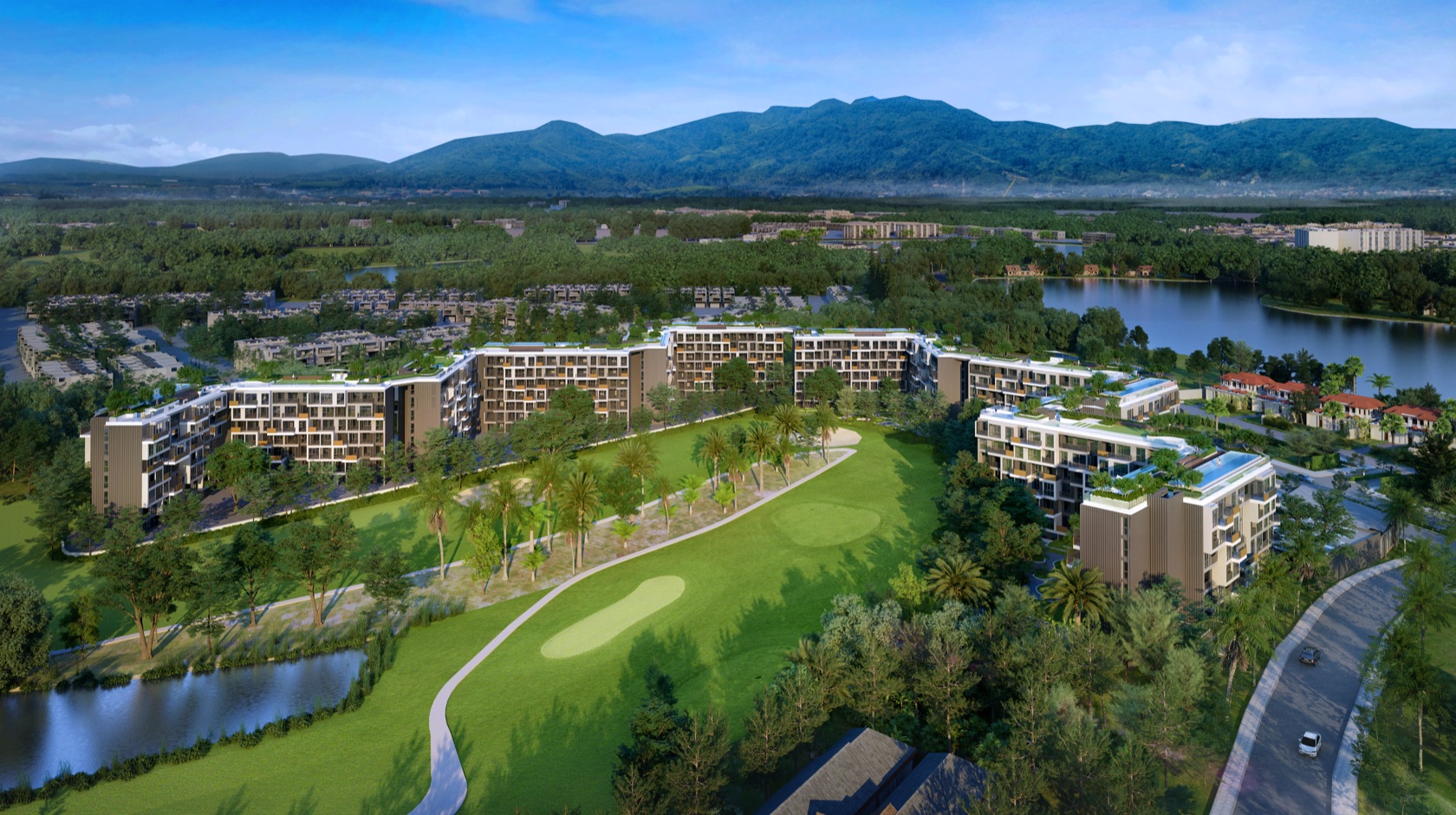
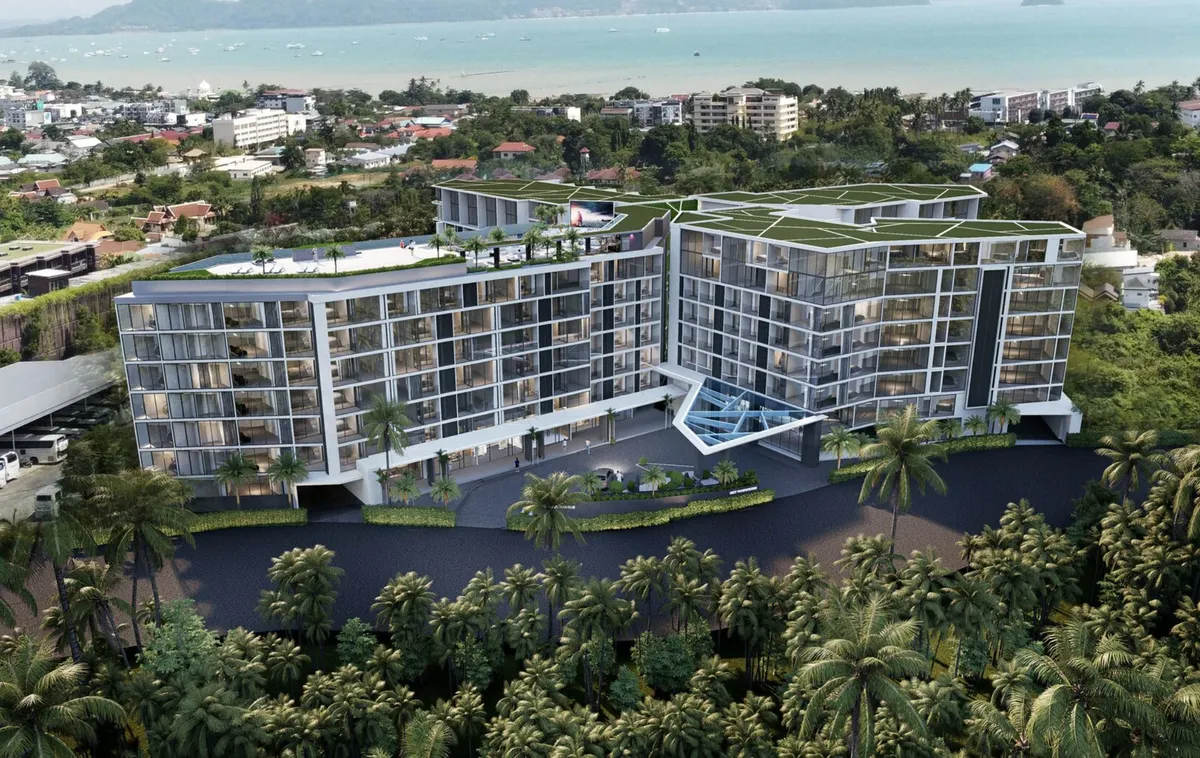
Examples with freehold quota or a proper leasehold — no company schemes. We’ll verify the structure with a lawyer.

We’ll match a safe ownership form
We’ll tell you plainly which form fits your property and budget — freehold, leasehold, or when a company is genuinely needed. With a lawyer. Free, on WhatsApp.