
Freehold or leasehold in Phuket: what a foreigner should choose
Short answer: a condo unit can be held in full ownership (freehold) or on a long lease (leasehold), while a villa is almost always taken through a land lease. Below — what that means in practice, how the two forms differ on money and risk, and how to choose for your goal.
Updated 11 July 2026 · 7 min read · BURO Phuket
- Freehold is full ownership. Foreigners can hold it for condo units within the project’s 49% foreign quota.
- Leasehold is a registered 30-year lease with renewal options. It’s the standard for villas (a foreigner can’t own land), but a condo unit can also be taken on leasehold — as a cheaper alternative to freehold.
- “30+30+30 = 90 years” is not an automatic guarantee but renewal terms fixed in the contract. In practice reputable developers honour and renew them; what you check is exactly how the renewal mechanism is written and who owns the land.
What freehold is
Freehold is full ownership: you can sell, gift, rent out or bequeath the property without anyone’s consent. Your name is on the title deed issued by the Land Department.
For a foreigner in Phuket, freehold is available first of all for condominium units. The Condominium Act lets foreigners jointly own no more than 49% of a project’s saleable area — the foreign quota. While the quota is open you buy genuine freehold; once it’s used up the developer offers leasehold or a Thai-structure setup.
Takeaway: available quota is the first thing to check before you reserve. In popular projects at later sales stages, the freehold quota runs out soonest.
What leasehold is
Leasehold is a registered long-term right of use, recorded at the Land Department (registration is required for terms over 3 years). The first term in Thailand is 30 years — the maximum the law allows to register at once.
For villas, leasehold is the market standard: a foreigner can’t own land directly, so the buyer gets a registered land lease, while the house itself can be owned separately — the building right is registered in your name. This two-tier structure (leased land + owned building) is a sign of a properly set-up project.
A condo unit can be taken on leasehold too — it’s a standalone option, not just a fallback. It’s used when the foreign freehold quota is exhausted, but also by choice: a leasehold unit is cheaper than the freehold equivalent, and the buyer gets a registered 30-year right to a specific unit. Sometimes a developer offers both forms on the same unit — at different prices.
Leasehold has upsides: the price is usually below a comparable freehold, there’s no quota limit, and registration fees are lower than an ownership transfer.
Freehold vs leasehold, point by point
| Freehold | Leasehold | |
|---|---|---|
| What you get | Full ownership, name on the Land Department title | Registered right of use for the lease term |
| Term | Indefinite | 30 years + contractual renewal options |
| Who can hold it | Condo units — within the 49% quota | No limits: villas, land, and condo units |
| Fees at the deal | Transfer fee 2% of assessed value | Lease registration 1.1% of the whole-term amount |
| Resale | Free; the most liquid format | Transfer of the remaining term; must be set in the contract |
| Inheritance | Under general inheritance rules | Only if expressly written in the lease |
| Typical asset | Condominium unit | Villa (land); condo by choice or beyond quota |
How to read “30+30+30 = 90 years” correctly
“90 years” is not an automatic guarantee but renewal terms fixed in the contract. Only the first 30-year term is registered directly at the Land Department (the maximum under Civil Code s. 540). Supreme Court ruling No. 4655/2566 (handed down in 2023 — 2566 is the Buddhist calendar year; the news spread widely in 2025) confirmed that pre-baked auto-renewals aren’t self-enforcing — each renewal is a fresh consent by the landowner. Note: it was a dispute between individuals, not a universal precedent; buying from a corporate developer adds protection under the consumer-rights and unfair-contract laws. In practice reputable developers honour the renewal terms.
The point isn’t that leasehold is a bad instrument — it’s a working, common format for villas. The point is to focus not on the “90” figure but on how the renewal mechanism is written: who must sign it, within what deadlines, what penalties for refusal, who owns the land (a stable project company beats an individual) and whether the house right is registered separately in your name. With a properly drafted contract, renewals happen without issues — these are exactly the points we check with a lawyer before the deposit.
Taxes and fees at the deal
On a freehold transfer you pay a transfer fee — 2% of assessed value (split between the parties by agreement in practice). If the seller owned the property for under 5 years, add Specific Business Tax of 3.3% (otherwise a 0.5% stamp duty); by market convention these are usually borne by the seller, but the contract may differ.
On a leasehold registration you pay 1.1% of the whole-term lease value (1% transfer fee + 0.1% stamp duty). Note: Thailand does have an annual Land & Building Tax: ~0.02% for owner-occupied freehold homes, and 0.3% for rented property and for leasehold. So on this tax leasehold is usually several times more expensive than freehold (on a ฿10M condo, roughly ฿30,000 vs ฿2,000 a year), and it’s often passed on to the leaseholder. So “costs are the same” is a myth. Full tax breakdown in the owner taxes and costs article.
What to choose: three scenarios
A condo bought for rental. Take freehold within quota: maximum resale liquidity, clear inheritance, and no ownership-form questions from your unit’s future buyer.
A villa to live in or rent. Land leasehold is a normal working format if the structure is right: the house registered separately in your name, renewals written with penalties for refusal, the landowner being the project company. With a proper contract renewals are routine; focus not on the advertised “90 years” but on how the renewal mechanism is written.
Tight budget or quota used up. A leasehold unit costs noticeably less than the freehold equivalent, and some projects’ contracts include an upgrade-to-freehold option if quota frees up. A good entry point — if the contract checks out.
Frequently asked
Can a foreigner buy land in Thailand in their own name?
Not directly — it’s a core restriction of Thai law. That’s why villas are sold via a registered land lease (leasehold), while the house itself can be owned by the buyer separately from the land.
What happens after 30 years of leasehold?
The first registered term ends, and renewal is done through a fresh landowner consent and a new registration at the Land Department. Renewal terms are written into the contract in advance, and in practice renewal with reputable developers is routine. Key points for a lawyer to check: who must sign the renewal, within what deadlines, with what penalties for refusal, and how stable the landowner is.
Can leasehold be converted to freehold after purchase?
For condos — yes, if foreign quota frees up in the project and the contract includes the option. Developers typically offer the upgrade for a top-up payment. For land under a villa, conversion to freehold isn’t available to a foreigner.
Is leasehold inheritable?
A lease is not inherited automatically — the transfer to heirs must be expressly written into the contract. It’s a standard check: without it the family can be left without the right to use the property.
More answers in the full 90-question FAQ.
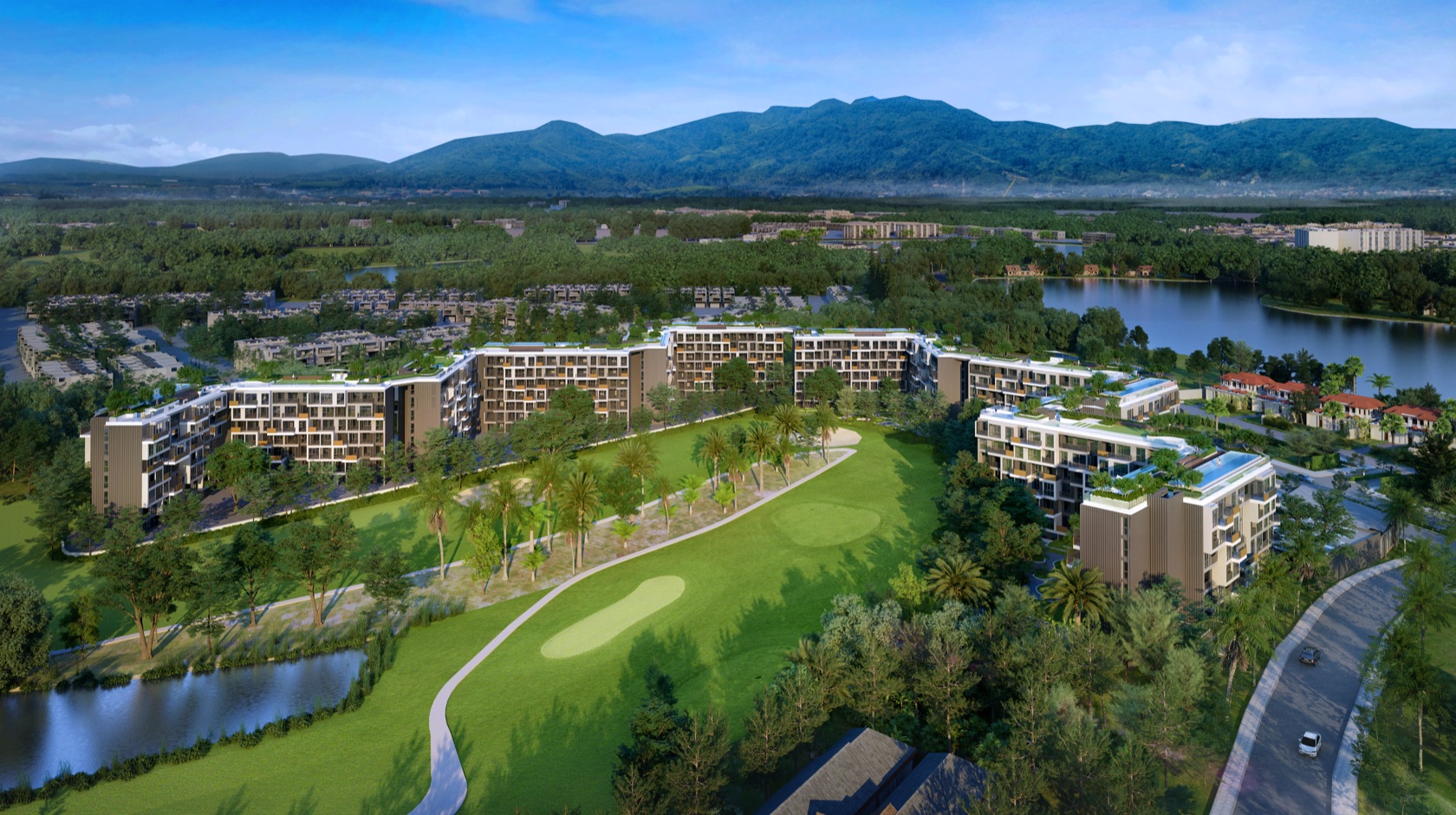
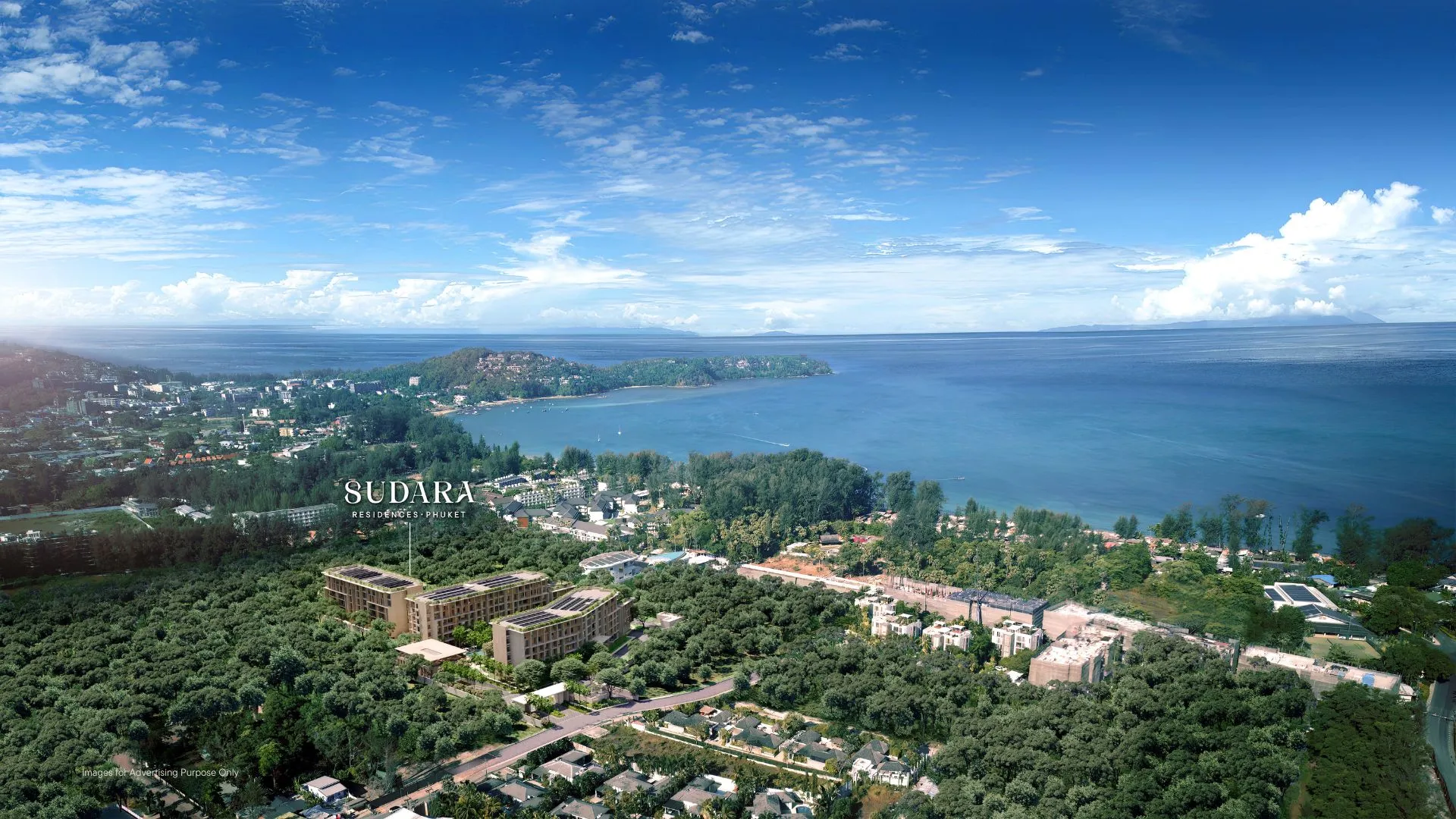
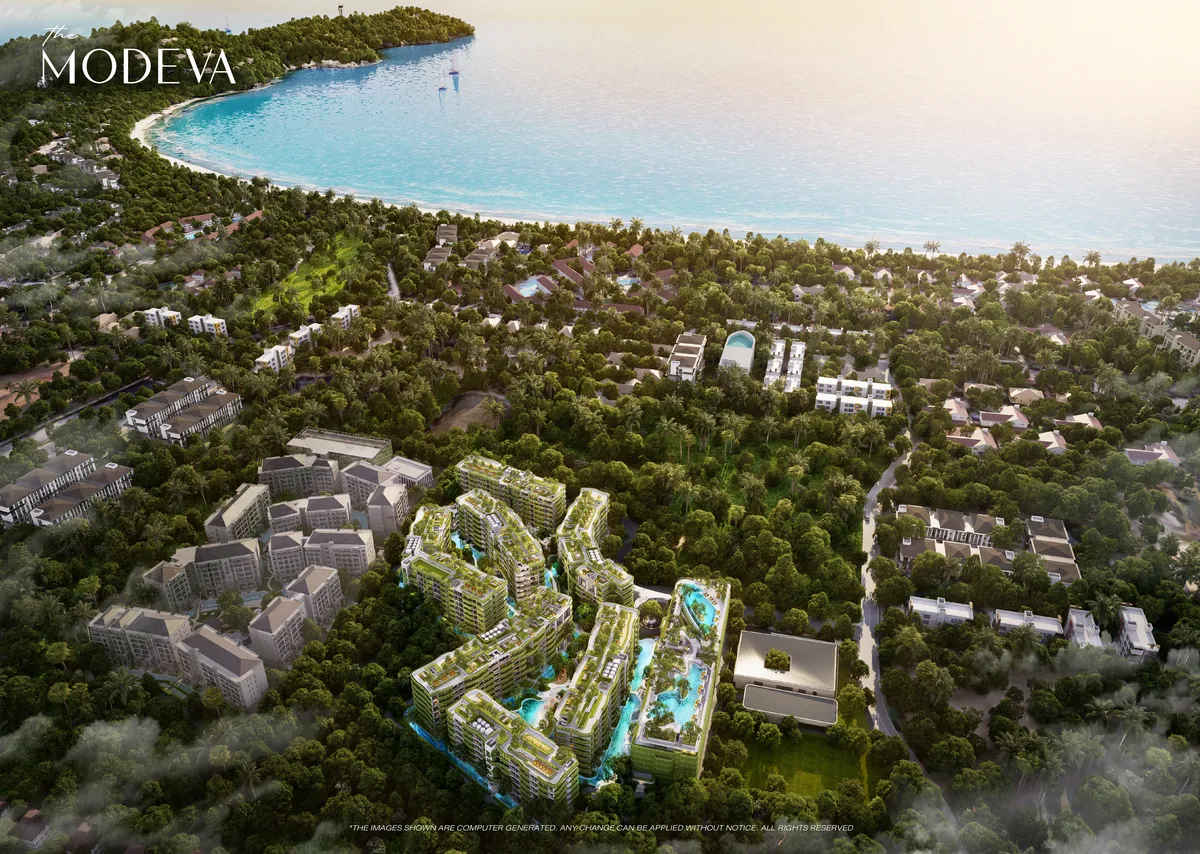
Condominiums with freehold quota from the catalogue
Examples of projects where full-ownership registration is available as of publication. We’ll confirm quota on the booking day.
We’ll verify the ownership form before your deposit
For your chosen project we’ll send the freehold-quota status, the ownership structure and a lawyer’s read of the contract — free, on WhatsApp.