
Taxes and costs when buying property in Phuket
The brochure price isn’t the final figure. Add one-off fees at the deal, monthly running costs and taxes. We break down every line so you can work out the real cost of ownership before you reserve.
Updated 11 July 2026 · 6 min read · BURO Phuket
- At purchase: freehold — 2% transfer fee of assessed value; leasehold — 1.1% lease registration of the whole-term amount.
- Monthly: common fee (per m²) and utilities; one-off into the capital-repair sinking fund. A villa adds garden, pool and security.
- Rental income is taxed; on resale expect possible transfer fee, 3.3% SBT, withholding tax and commission. Who pays is set by the contract.
One-off costs at purchase
The mix of fees depends on the ownership form. Buying a condo in freehold, the main fee is a transfer fee of 2% of the Land Department assessed value; by market convention it’s often split between buyer and seller. For a leasehold registration you pay 1.1% of the whole-term lease value.
New builds may add a one-off sinking-fund contribution and a year’s common fee in advance — developers often ask for these at handover. Exact amounts are always in the contract and its annexes — ask for the cost sheet before the deposit.
Annual owner costs
The main recurring lines: common fee (upkeep of shared areas), utilities, internet, insurance and, if you rent out, the management company’s commission. Plus, periodically, repairs and furniture replacement.
Common fee is a regular charge for security, pool, gym, garden, lifts, reception and cleaning; it’s calculated per square metre per month. The more infrastructure a project has, the higher the rate. Sinking fund is a separate capital-repair fund (façade, lifts, engineering), usually paid once at purchase.
The annual Land & Building Tax — often forgotten. Rates: ~0.02% for owner-occupied freehold, 0.3% for rented property, and 0.3% for leasehold always (treated as commercial), usually passed on to the leaseholder. On a ฿10M condo the gap is real: a freehold occupier pays ≈ ฿2,000/year, leasehold ≈ ฿30,000/year. For owner-occupation, the “yellow house book” gives an exemption on the first ฿10M of value, but it’s hard for a foreigner to obtain.
Condo vs villa: the upkeep difference
A villa usually costs more to run than a condo: on top of shared fees you add your own pool, garden, pest control, security, engineering systems and, typically, a separate management company. The larger the house and plot, the higher the monthly bill.
A condo’s costs are more predictable and spread across the whole project via the common fee. For an investor that’s a plus: easier to model net yield, fewer operational worries.
Tax on rental income
Rental income in Thailand is taxable — for both residents and non-residents if the income is from Thai property. Practical details: get a Tax ID within 60 days of the first income; file a half-year return (PND94, by end of September) and an annual one (PND90, by end of March). Below about ฿60,000 of income you usually don’t need to file.
Another reason leasehold is costlier: the 30% deduction on rental income is available only to owners (freehold); leaseholders can’t use it. Management companies help with reporting, but it’s worth verifying the scheme once with a tax specialist.
Build this tax into your yield model up front — you should count net yield after all costs and taxes, not the gross figure from the brochure.
Costs on resale
Exiting the property may involve a transfer fee, Specific Business Tax (3.3% if held under 5 years; otherwise 0.5% stamp duty), withholding tax, an agent’s commission and legal costs. How these split between seller and buyer is set by the contract — worth agreeing in advance.
The most common leasehold myth: that on resale (assignment) you’ll pay just 1.1%. Not so. The 1.1% is charged at registration, but personal income tax is not withheld then — it’s billed to the seller after the deal, on a progressive scale, on income net of amortization. In real cases on a ฿10–12M deal the tax office sent bills of ฿0.9–1M. So “1.1%” isn’t the total cost of exiting a leasehold — budget for a separate income tax.
Property can also pass by inheritance; the procedure depends on the ownership form and whether there’s a will. For foreign buyers we recommend arranging estate planning before the deal.
Frequently asked
What taxes does a buyer pay at purchase?
For freehold — a 2% transfer fee of assessed value (often split between the parties). For leasehold — 1.1% lease registration of the whole-term amount. New builds may add an advance common fee and a sinking-fund contribution at handover. Exact figures are in the contract.
What are common fee and sinking fund?
Common fee is a regular charge for upkeep of shared areas (security, pool, gym, garden, lifts, cleaning), calculated per m² per month. Sinking fund is a capital-repair fund for major future costs (façade, lifts, engineering), usually paid once at purchase.
Do I pay tax on rental income?
Yes, rental income is taxable. The scheme depends on the ownership structure, rental type and tax residency. A management company usually helps with reporting; for an accurate calculation, consult a tax specialist once.
What costs arise on resale?
Possible transfer fee, Specific Business Tax (3.3% if held under 5 years, otherwise 0.5% stamp duty), withholding tax, agent’s commission and legal costs. Who pays — seller, buyer or both — is set by the deal terms.
More answers in the full 90-question FAQ.
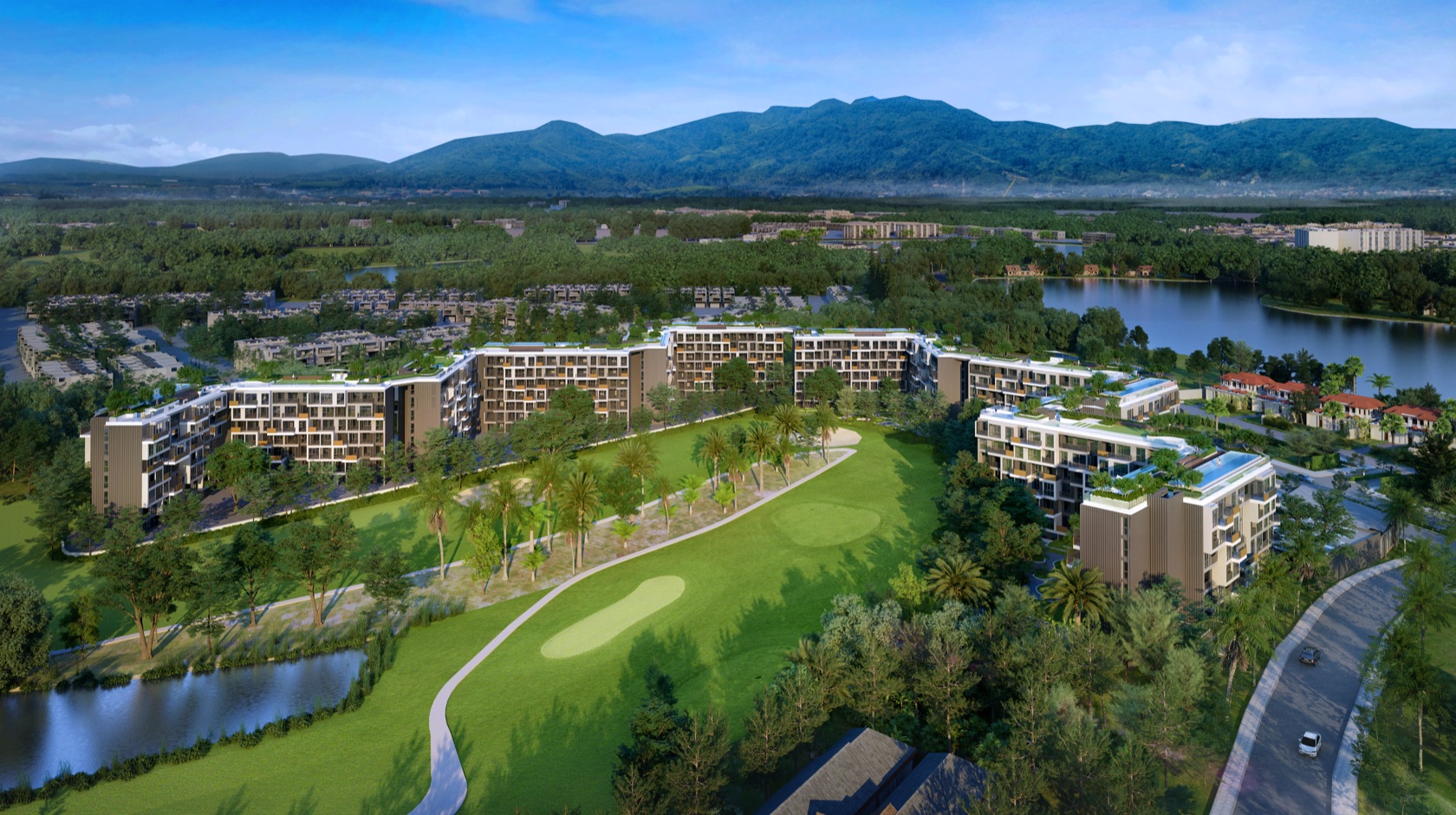
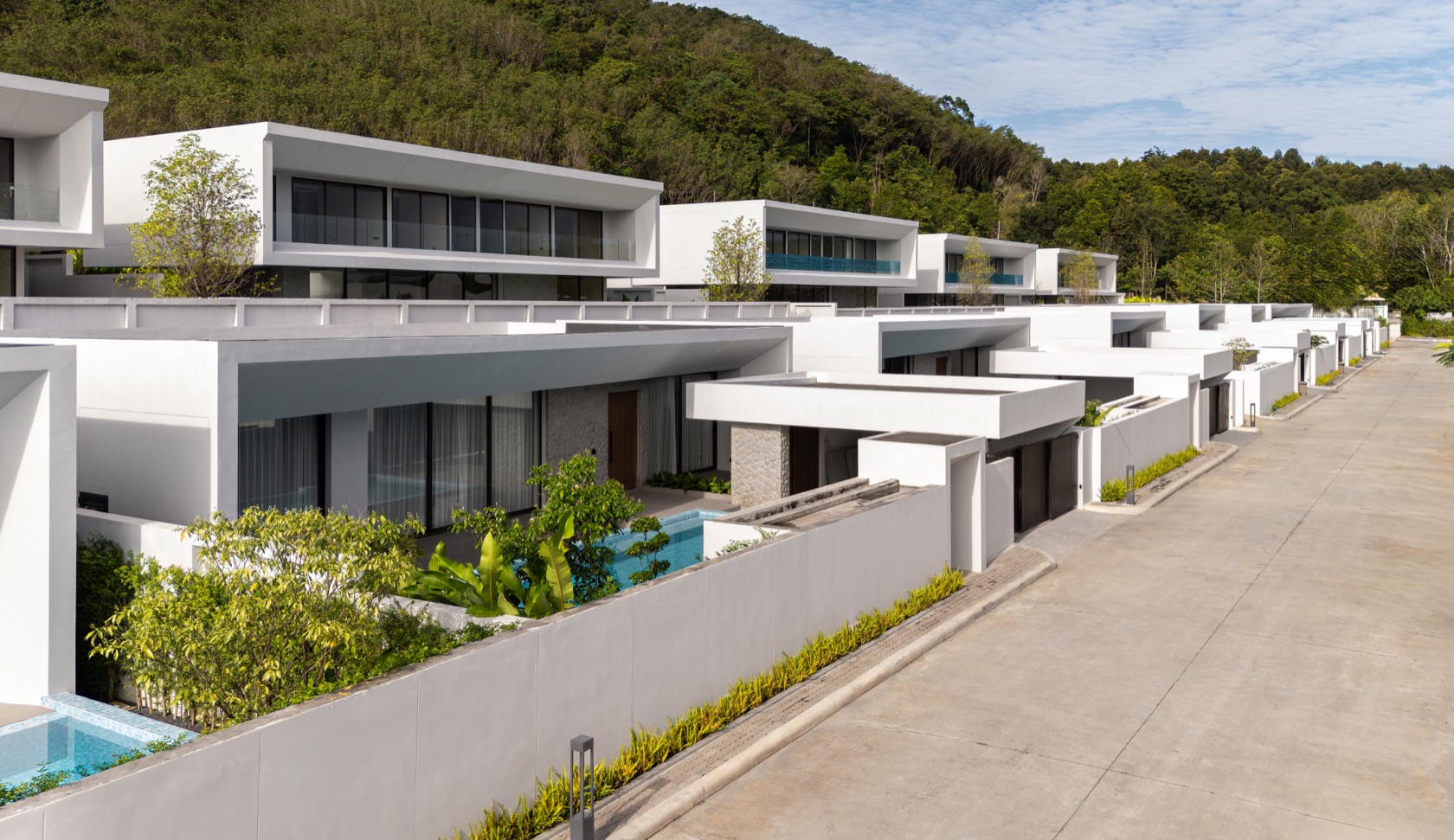
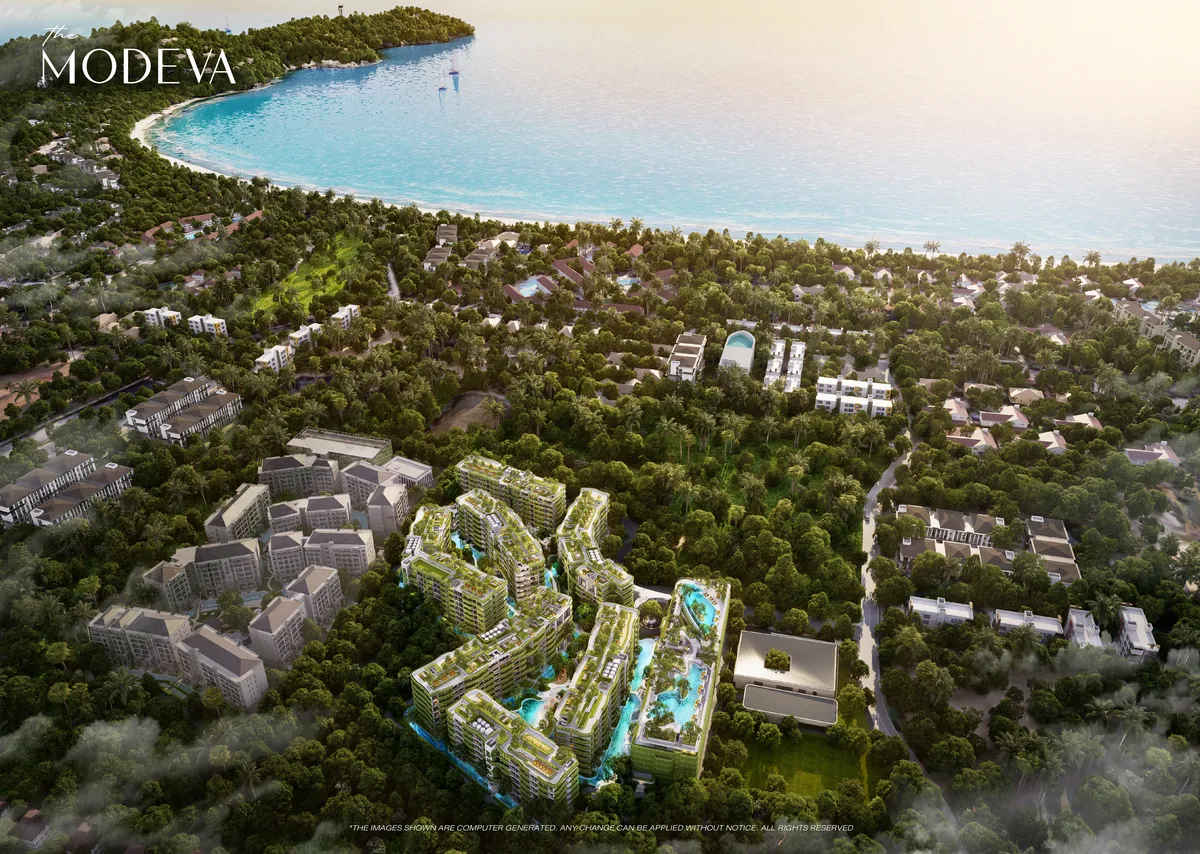
Projects with a transparent cost sheet
For any of them we’ll send the full breakdown: deal fees, common fee per m², sinking fund and a net-yield forecast.
A full cost sheet for your project
We’ll send the one-off fees, monthly upkeep and taxes for your chosen property, so you see the real cost of ownership. Free, on WhatsApp.