
A visa for buying property in Thailand: investment, LTR and more
Buying property doesn’t grant a visa automatically — but a stake from ฿3M gives grounds to apply for the investment visa (the buyer submits the documents themselves). Plus there are several separate long-term visas that owners find easier to obtain. Here’s which visa fits which goal.
Updated 11 July 2026 · 7 min read · BURO Phuket
- A purchase from ฿3M (freehold condo, villa, or two condos in one building) gives grounds for a Non-B investment visa: 3 months → a 12-month extension, then annually. It isn’t automatic: the buyer submits the documents themselves. A new route (from Oct 2025), with details still settling.
- The LTR (10 years) and Thailand Privilege (5–20 years) are separate long-term visas; a property purchase helps as proof of assets/address but isn’t the sole condition.
- Thai visa rules change. Always confirm the exact requirements, amount and term with an immigration lawyer before the deal.
The property-investment visa from ฿3M
This route is tied directly to a purchase. The first Phuket cases (early 2026) were arranged as a Non-B investment visa: first a 3-month (Single) visa, then a 12-month extension, then annually while you hold the property. It’s handled through an authorized visa operator (Longstay — a company partly owned by the Ministry of Tourism, on the Thailand Privilege model), with a membership top-up (~฿4,000).
What counts as grounds (from ฿3M): a freehold condo in your name; a villa (house + leased land); a resale condo bought from a Thai individual; or two condos summed within one building. Leasehold also qualifies (a slightly higher threshold, from ฿3.06M), but in practice a visa on pure leasehold is so far granted mainly to those who already hold a long-term visa — freehold condos and villas are the more reliable basis.
A purchase doesn’t grant the visa automatically — it gives the grounds; the buyer submits the documents themselves (usually via the visa operator). The funds must arrive from abroad in foreign currency with a supporting certificate (FETF / “Tor Tor 3”). To extend, you return about 20 days before the 3-month term ends.
A new route — details still settling. The ฿3M programme was formalized by immigration orders in 2025 (effective 1 October 2025), with the first visas issued in early 2026. It works, but the rules are still bedding in. Don’t confuse it with the classic Investment Visa (Non-Immigrant “IM”): that has a ฿10M threshold and there, besides real estate, Thai government bonds or a fixed deposit also count. Confirm the exact amount, term and document list with an immigration lawyer before the deal — we’ll connect you with a trusted one.
LTR: a 10-year long-term visa
The LTR (Long-Term Resident) is a 10-year (5+5) visa from the Board of Investment (BOI), separate from the investment visa. Two categories are relevant to buyers:
• Wealthy Global Citizen — assets from $1M + at least $500K invested in Thailand (real estate can count toward that $500K); the $80K annual-income requirement for this category has been removed.
• Wealthy Pensioner (50+) — Thai real estate from $250K + passive income from $40K/year. Often the most accessible option for buyers over 50.
LTR perks: simplified entry, airport fast-track and — importantly — exemption from income tax on foreign income remitted to Thailand.
A property purchase doesn’t grant the LTR by itself, but can count toward proof of assets and simplifies some formalities. It’s a visa tied to status and income, not to square metres — unlike the investment visa.
Thailand Privilege and DTV
Thailand Privilege (formerly Elite) is a membership visa for 5–20 years with no income requirement: pay a fee, get a long-term right to stay. The base 5-year package is roughly from ~฿900K (a ฿650K promo ran until early 2026 and is no longer current). Prices and package contents change periodically — check the current ones. Handy for those who want a predictable status without tying it to an investment or income.
DTV (Destination Thailand Visa) is a 5-year visa for remote workers and freelancers: up to 180 days per entry with a further 180-day extension. The requirement is around ฿500K in the account, which must sit there for at least 3 months. It isn’t tied to property; in 2025–2026 DTV applications and entry checks were tightened noticeably (more documents, balance checks at the border), so allow extra time.
Which visa an owner should choose
Buying a freehold condo from ฿3M and want a visa for it — the Non-B investment visa: the route where the purchase itself is the basis. High income or large assets, want a 10-year horizon and tax perks — the LTR. Want a predictable long status with no income conditions — Thailand Privilege. Working remotely and still deciding — the DTV.
In practice routes are combined: e.g. enter on a DTV while choosing a property, then arrange the investment visa after the purchase. We’ll align the deal with the visa track and connect you with a trusted immigration lawyer.
Frequently asked
Does buying property in Thailand grant residency?
A purchase doesn’t grant a visa or residency automatically. But buying a freehold condo from ฿3M gives grounds to apply for a Non-B investment visa (via an authorized visa operator) — the buyer submits the documents themselves. It’s annual and renewable while you hold the property. It’s a new route (effective October 2025) with details still settling.
How much must I invest for the property-owner visa?
The threshold is from ฿3M, and at this tier only real estate counts: a freehold condo registered in your name. Thai government bonds and fixed deposits are a different, separate instrument (the classic Non-Immigrant “IM” investment visa with a ฿10M threshold). Confirm the exact amount and list with an immigration lawyer — the route is new and details are still settling.
How does the property-owner visa differ from the LTR?
The Non-B investment visa (from ฿3M) is issued for a specific purchase: 3 months → 12 months → annually. The LTR is a 10-year BOI visa based on assets/income (the wealthy category benchmarks ~$1M in assets, of which ~$500K in Thailand — real estate can count); they’re different programmes with different regulators and terms.
Can the visa be arranged remotely when buying from abroad?
The purchase itself is often done remotely by foreigners, while visa formalities are a separate process that usually requires document submission and, typically, entry. We help plan both tracks in advance so the transfer of funds and documents work for both the property registration and the visa.
More answers in the full 90-question FAQ.
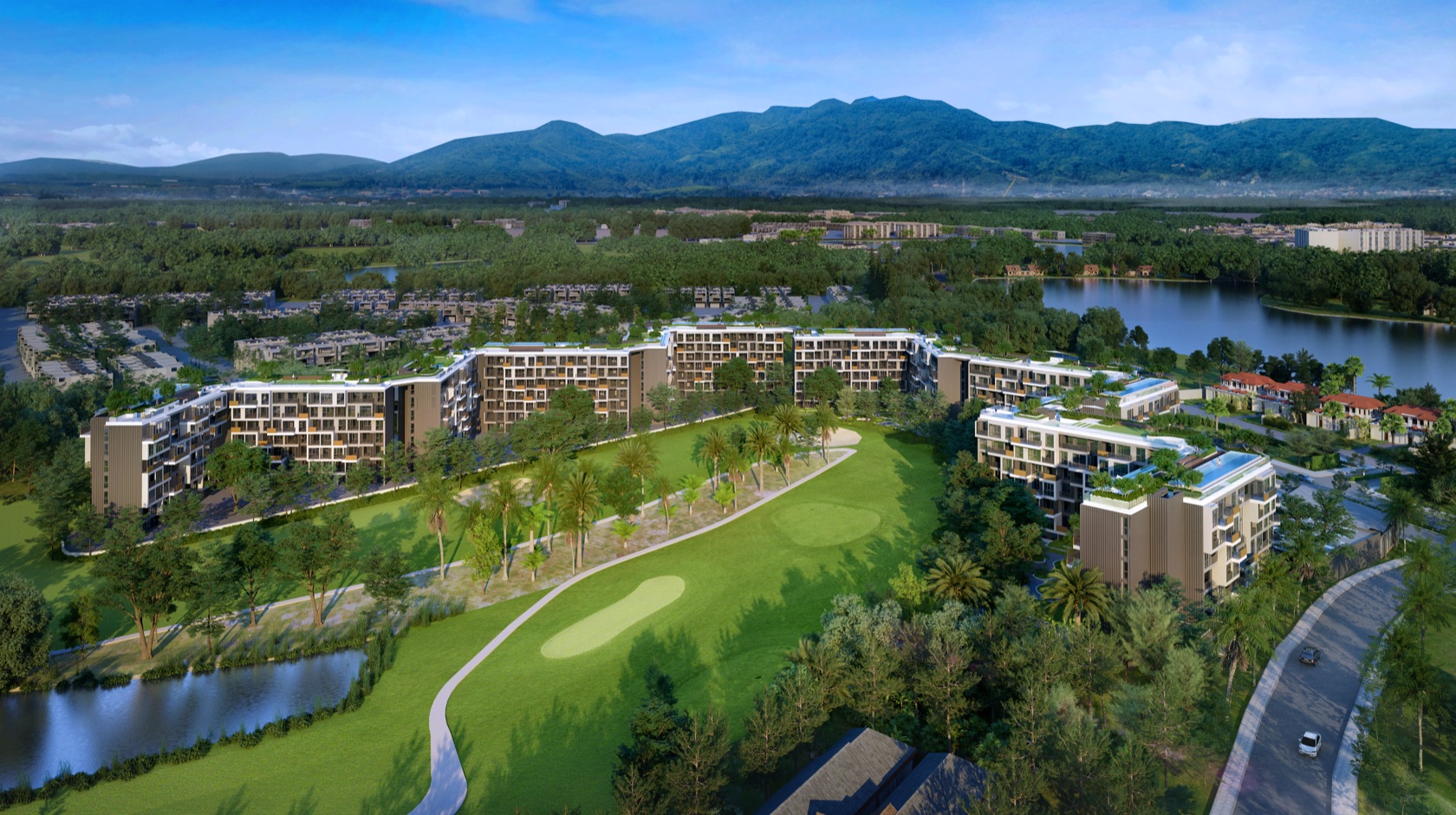
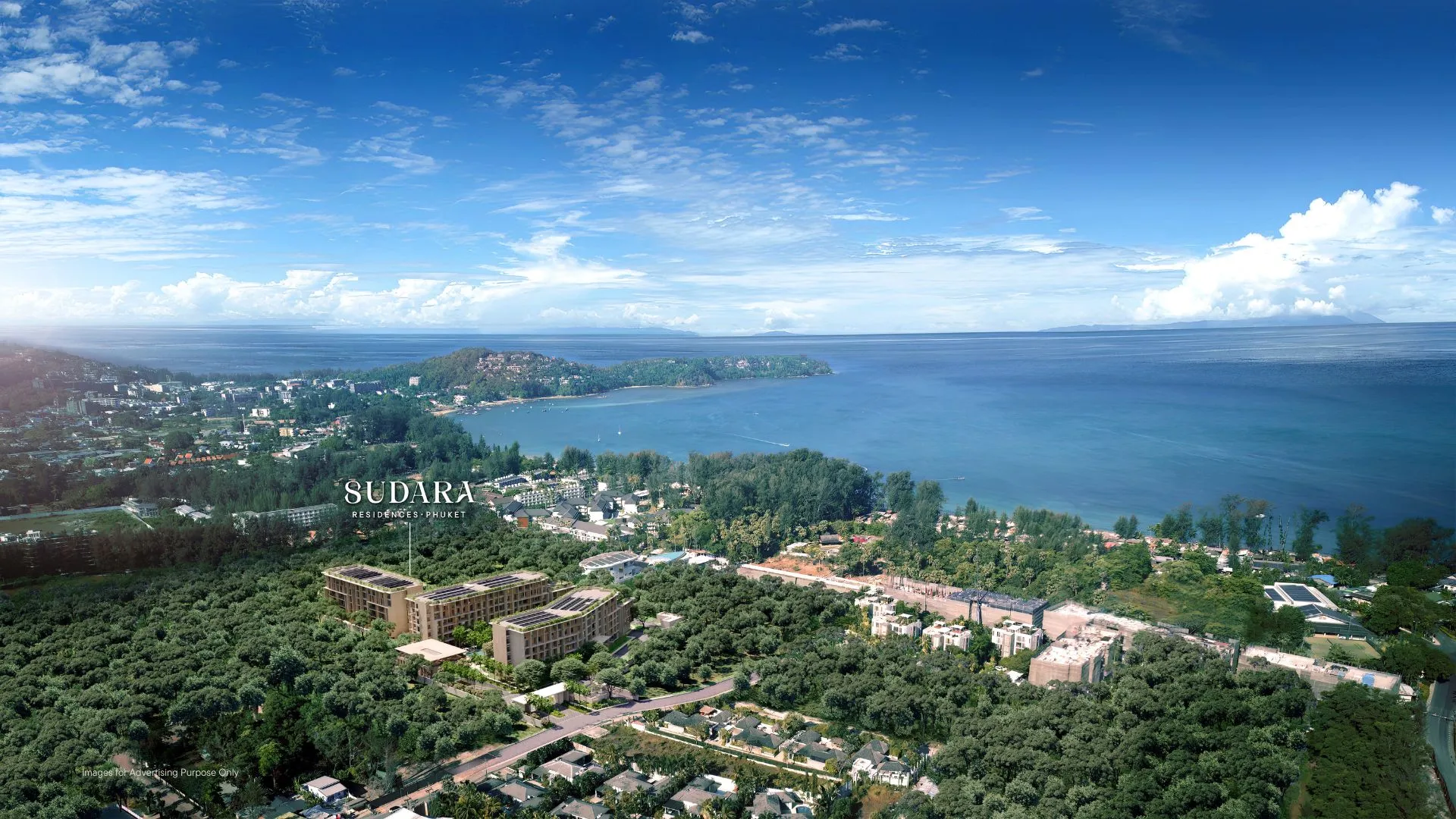
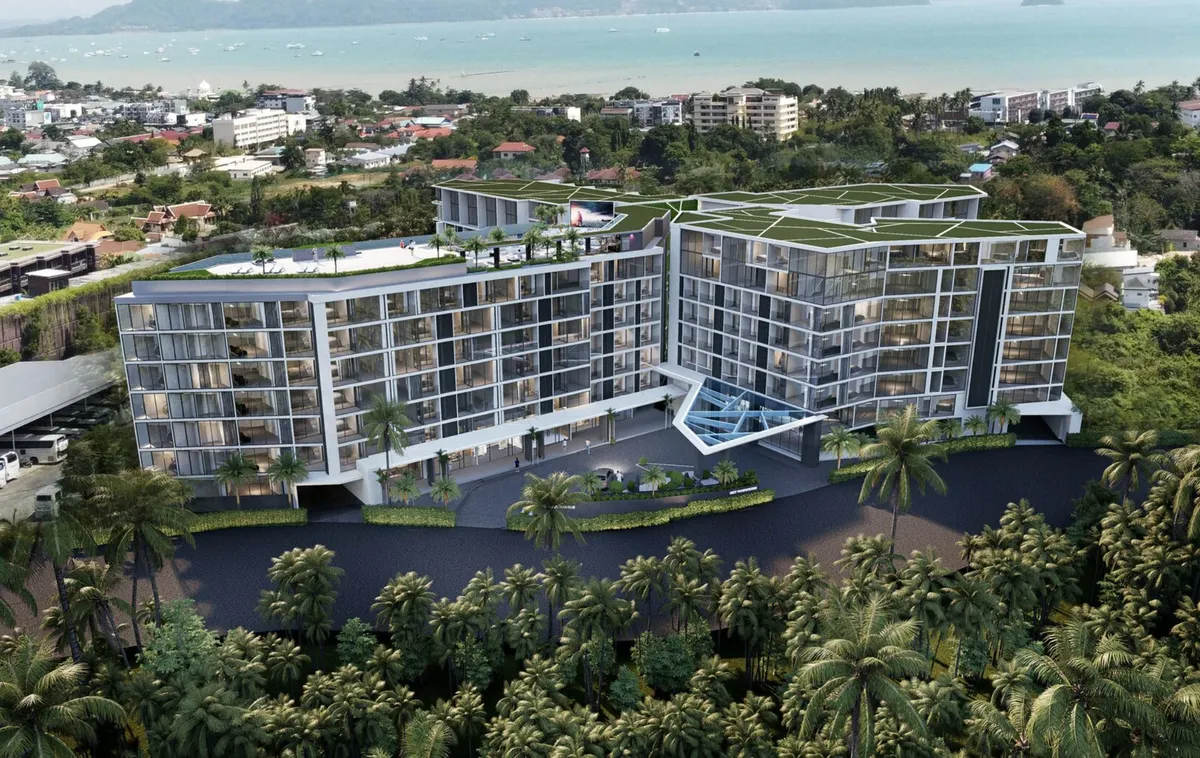
Condos from ฿3M — suitable for the investment visa
Examples priced from the investment-visa threshold. We’ll match to your budget and verify the stake amount with a lawyer.
We’ll link the purchase to the visa track
We’ll advise which visa fits your budget and goal, and connect you with an immigration lawyer so the transfer of funds and documents work for both the purchase and the visa. Free, on WhatsApp.